SPACE
Try for 100 metres
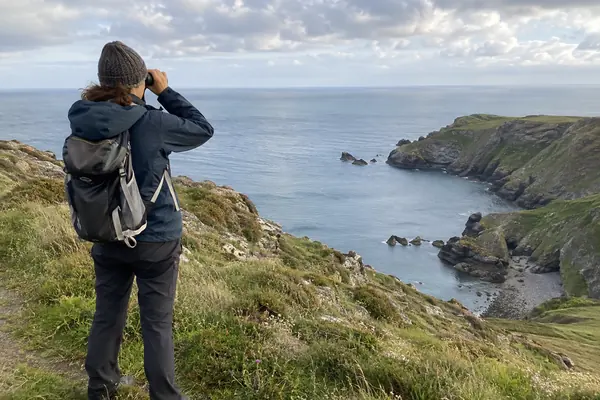
The code asks you to stay at least 100 metres away if you can, and not to approach animals head-on or from directly behind.
See the numbers doodleflipper
WHAT THE CODES SAY
The best views are the ones they never notice.

100 M if you can
≈ 95% Share of Europe's grey seals on the British coast
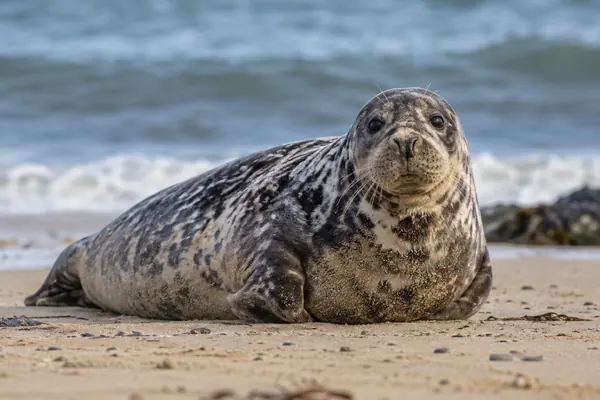
Seals haul out to rest, digest, moult and feed their pups, and dolphins pass close to shore in summer. England's Marine and Coastal Wildlife Code asks visitors to keep their distance and read the signs.
THE SHORT ANSWER
Disturbance often looks harmless to us.
For a resting seal it costs energy it needs.
SPACE
The code asks you to stay at least 100 metres away if you can, and not to approach animals head-on or from directly behind.
See the numbersSIGNS
Seals that wake up and look at you have noticed you. Next comes shuffling, then a stampede into the water.
Read the signsWATCH
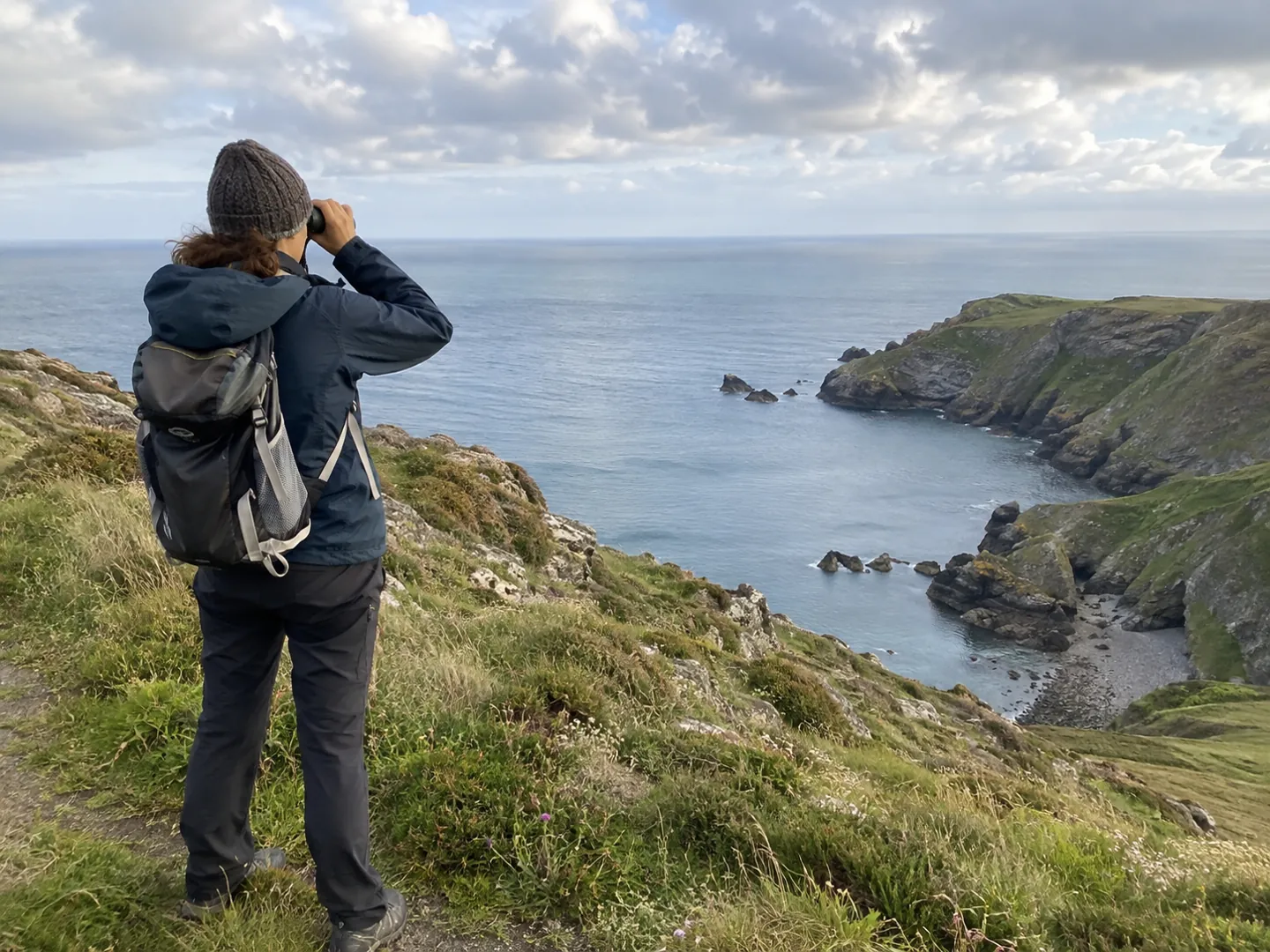
Use binoculars or a camera zoom rather than walking closer, and avoid flash photography.
Four habitsA QUICK BEHAVIOUR CHECK
Pick a behaviour to see what the guidance says it means and what to do. The bar shows how disturbed the animal is likely to be.
Based on England's Marine and Coastal Wildlife Code and Scottish Government guidance on seal haul-outs.
FOUR HABITS AT THE COAST
These come from England's Marine and Coastal Wildlife Code and Scottish guidance. They apply on foot, on a paddleboard or in a boat.
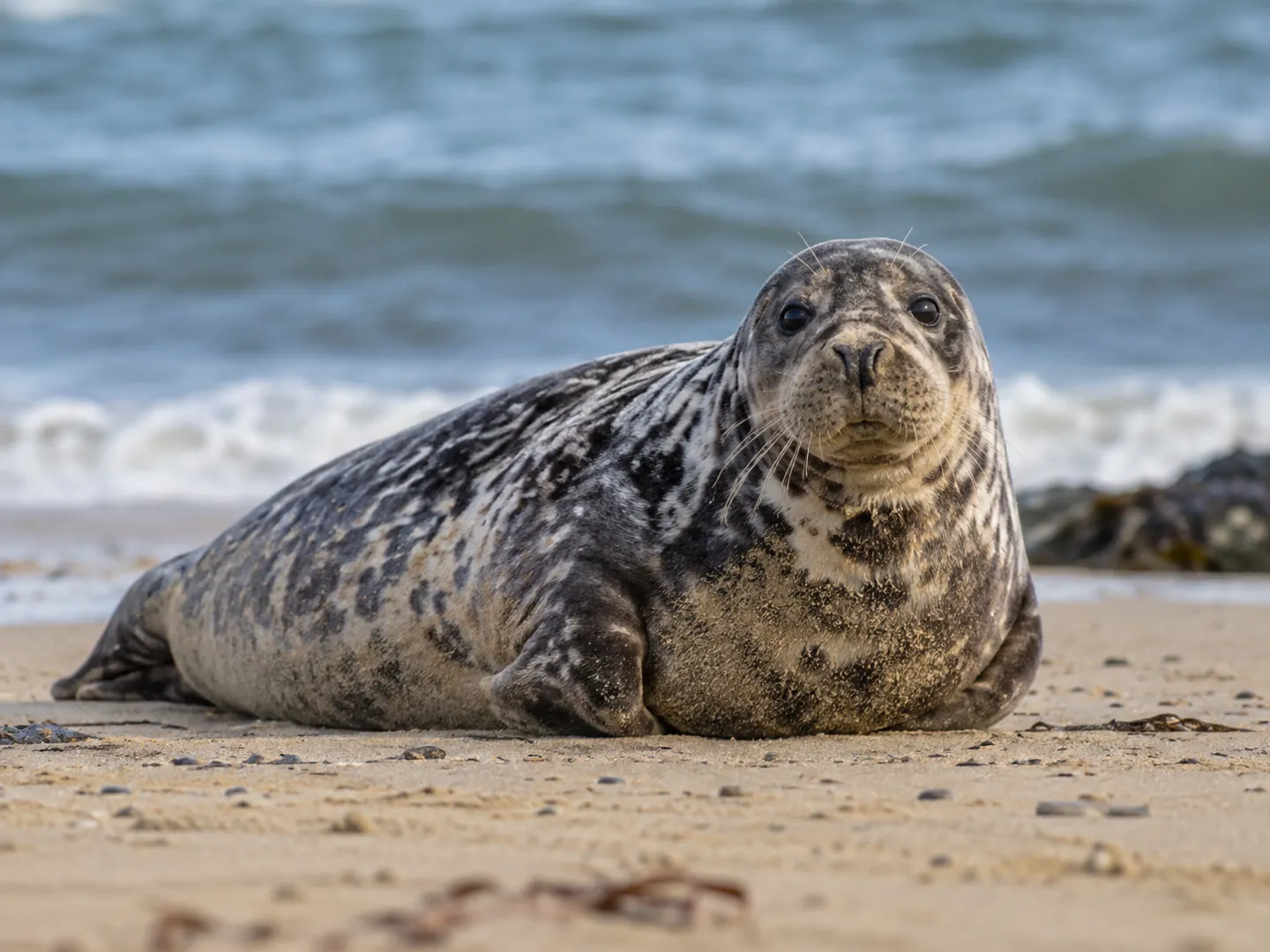
Do not move a seal pup or chase it into the sea. Its mother may only be away feeding.
Do not crowd or encircle seals, or stand between them and their escape route to the water.
In a boat or jet ski, stay under 6 knots and 100 metres from wildlife, and keep your distance if more than 2 craft are already nearby.
If an animal is injured or stranded, do not touch it. Call British Divers Marine Life Rescue on 01825 765546.
TWO NUMBERS WORTH KNOWING
One figure on how special our seals are,
one on how many live off Scotland alone.
≈ 95%
Share of Europe's grey seals on the British coast
Defra says the British coastline is home to around 95% of Europe's grey seal population and around 25% of Europe's breeding seabirds.
GREY SEALS · DEFRA
≈ 121,000
Grey seals around Scotland
The Scottish Government's Marine Directorate puts Scotland's population at approximately 121,000 grey seals and 27,000 harbour seals.
SCOTLAND · SCOTTISH GOVERNMENT
In Scotland it is an offence to intentionally or recklessly harass a seal at a designated haul-out site under the Marine (Scotland) Act 2010.
WHEN TO TAKE EXTRA CARE
England's code gives June to January as the breeding season for seals and the summer months for dolphins, whales and porpoises. Seals also moult between November and April, and in August, when they spend more time on land.
In Scotland, harbour seals usually pup in June and July and moult ashore in August, while grey seals pup between September and December and stay on land for several weeks. Disturbed animals may abandon their young.
Questions
England's Marine and Coastal Wildlife Code asks you to stay at least 100 metres (330 feet) away if you can, and to move further away if the animal shows signs of disturbance.
Do not move it or chase it into the sea. Guidance says it is normal for young animals to be alone while their parents rest or feed. If it looks injured or distressed, report it rather than approaching.
The code says not to use a drone where you will disturb or endanger wildlife, and points to the Civil Aviation Authority's drone code.
Stay calm and move away slowly. The code warns that wild animals can harm you unintentionally, so do not touch them. Scottish guidance adds that seals can move fast and bite.
The code suggests a responsible tour company, such as one accredited by the WiSe scheme, the UK national training scheme for minimising disturbance to marine wildlife.
Updated
ABOUT THIS NAME
doodleflipper.com is part of the DoodleSale portfolio. It isn't in an auction right now, but you can ask about leasing it.